


Low-Carbon Glass
Low-carbon glass has a reduced production-related carbon footprint compared to equivalent conventional glass. Through approaches such as the use of recycled glass, energy efficiency and low-emission energy sources, it helps reduce the environmental impact of building materials.
At Camglass, our low-carbon glass solutions bring together the design and performance expectations of architectural projects with carbon footprint reduction goals.

Key Features
Lower Carbon Footprint
By reducing production-related carbon emissions, it helps lower the material-related carbon footprint of buildings.
Architectural and Technical Performance
It can be used in a variety of architectural applications while retaining the transparency, aesthetics and functionality of glass.
Combined with Energy Performance
When combined with suitable Low-E and solar control coatings, it can contribute to the energy efficiency of buildings in addition to a lower carbon footprint.
Related Production Processes
Depending on the processing conditions of the selected product, low-carbon glass can be used in cutting, edge processing, tempering, lamination and insulating glass production. The carbon footprint of the final product is assessed together with the glass used, other components and the production processes applied.
Applications
Glass Façade Systems
Windows and Insulating Glass Units
Glass Roofs and Skylights
Interior Glass Partitions
Technical Details
Lorem ipsum | Lorem ipsum |
|---|---|
Lorem ipsum | Lorem ipsum dolor sit amet |
Lorem ipsum | Lorem ipsum dolor sit amet |
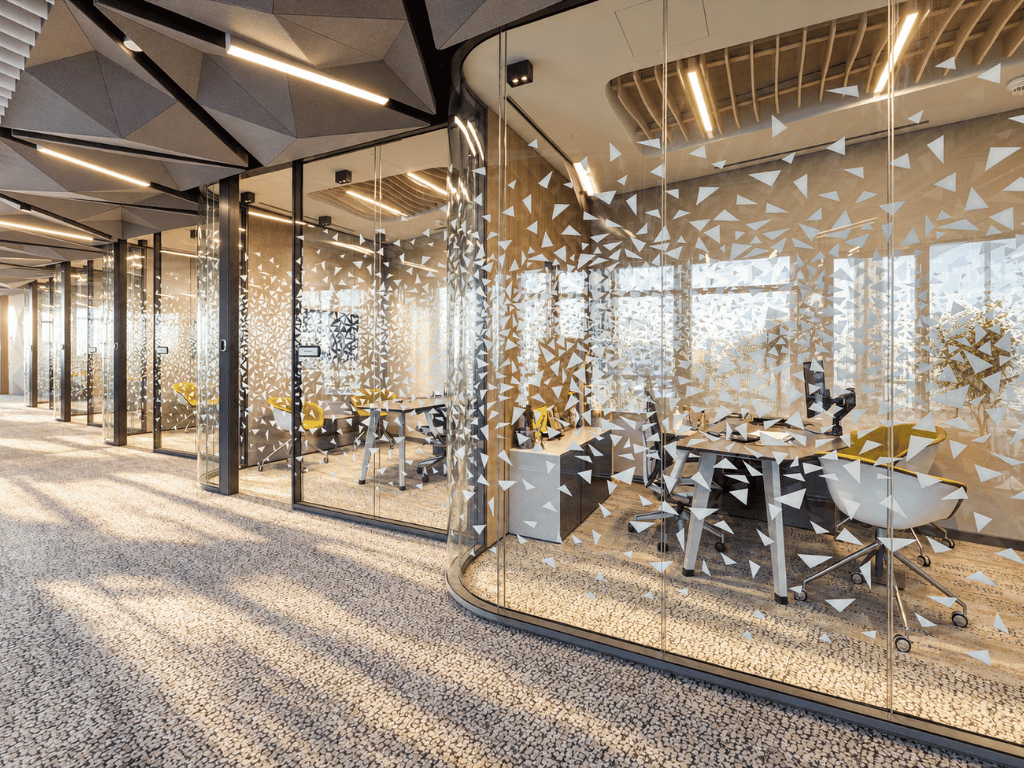
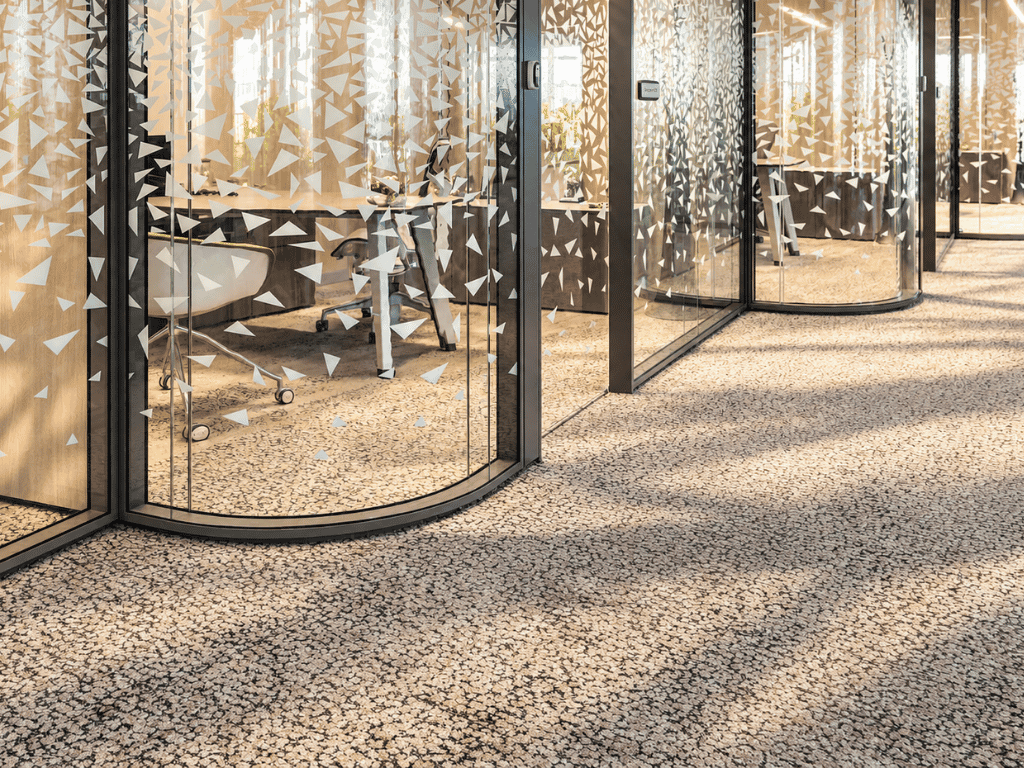
Reference Project
Project
Nordis Hotel Mamaia
Location
Constanța, Romania